Digital Marketing vs Inbound Marketing: Understanding the Core Differences
On the surface, digital marketing and inbound marketing often appear similar. Both operate primarily online, leveraging digital content to engage audiences. However, this superficial resemblance belies fundamental differences in approach, philosophy, and ultimate objectives. Understanding these distinctions is crucial for businesses in the South African market aiming to maximise their return on marketing investment. At Syte, we believe in measuring sales, not just likes, and that starts with clarity on strategy.
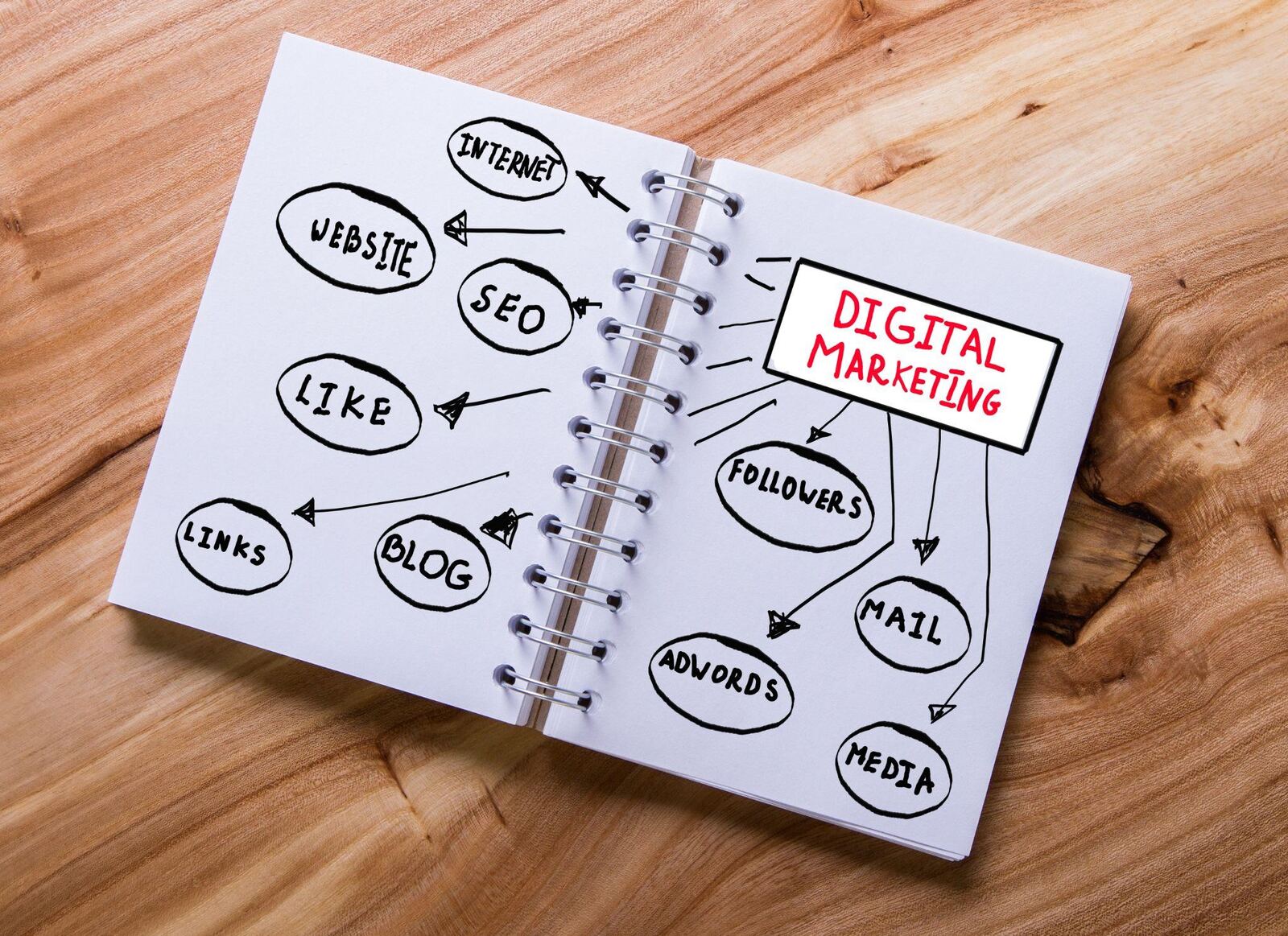
The term ‘digital marketing’ serves as a broad umbrella, encompassing all marketing efforts that use an electronic device or the internet. This includes everything from search engine optimisation (SEO) and social media marketing to email campaigns and online advertising. Historically, digital marketing didn't differentiate between push and pull tactics. Today, these are often better understood through the lens of outbound and inbound methodologies, both of which can exist under the digital marketing banner.
Digital outbound tactics are designed to actively push a marketing message directly in front of as many people as possible online, often irrespective of their current interest or stage in the buyer's journey. Think of interruptive banner ads, pre-roll video ads, or unsolicited email blasts. The goal is broad exposure, hoping to catch the attention of a segment of the audience. While this can generate immediate, albeit sometimes low-quality, leads, it often comes with a higher Customer Acquisition Cost (CAC) and lower conversion rates if not precisely targeted. For example, a garish banner ad pushing a new car model might appear on a news site, attempting to capture attention from someone who isn't necessarily in the market for a vehicle.
In contrast, inbound marketing is a methodology that leverages digital assets to attract, engage, and delight customers by providing value-driven content. It’s about drawing customers in rather than broadcasting at them. Marketers employing digital inbound tactics use online content to attract their target customers to their websites or other digital properties by providing helpful, relevant, and informative assets. The underlying philosophy is that by offering solutions to problems or answering questions, businesses can build trust and establish authority, naturally guiding prospects through the buyer's journey.
The Shift from Outbound Interruptions to Inbound Attractions
The evolution of consumer behaviour, particularly in a digitally-savvy market like South Africa, has highlighted the limitations of purely outbound digital strategies. Consumers are increasingly adept at filtering out unwanted marketing messages. Ad-blockers are prevalent, and unsolicited emails are often ignored or marked as spam. This makes the traditional "push" approach less effective and more costly in the long run. Measuring success in outbound campaigns often focuses on impressions, clicks, and immediate, short-term conversions, sometimes overlooking the long-term customer relationship.
Inbound marketing, however, aligns perfectly with the modern consumer's preference for self-education and informed decision-making. Instead of interrupting, inbound marketing seeks to empower. This approach typically yields higher quality leads, better conversion rates, and a lower CAC over time because it targets individuals who are already actively seeking solutions or information relevant to your offering. For a South African financial services provider, this might mean publishing articles on navigating local investment opportunities rather than simply running generic ads for their products.
Key Pillars of Inbound Marketing
- Content Marketing: Creating and distributing valuable, relevant, and consistent content to attract and retain a clearly defined audience – and, ultimately, to drive profitable customer action. This includes blog posts, e-books, whitepapers, case studies, videos, and infographics tailored to local contexts.
- SEO (Search Engine Optimisation): Optimising your website and content to rank higher in search engine results for keywords your target audience is using. This ensures your helpful content is discoverable when prospects are actively searching for solutions.
- Social Media Marketing: Engaging with your audience on social platforms, sharing valuable content, participating in relevant conversations, and building community, rather than just broadcasting promotions.
- Email Marketing (Permission-Based): Nurturing leads and delighting customers through targeted, personalised email campaigns based on their expressed interests and interactions with your brand.
- Lead Nurturing: Guiding prospects through the sales funnel with a series of targeted content and communications, building trust and demonstrating value over time.
Measuring Success: Sales, Not Just Likes
At Syte, our philosophy is rooted in tangible results. While digital marketing broadly measures metrics like website traffic, ad impressions, and click-through rates (CTR), inbound marketing delves deeper into the customer journey and its impact on revenue. For us, the ultimate measure is sales, and the metrics we track reflect this focus:
- Conversion Rate: The percentage of website visitors or leads who complete a desired action, such as making a purchase, filling out a form, or downloading content.
- Customer Acquisition Cost (CAC): The total cost of sales and marketing efforts required to acquire a new customer. Inbound strategies often lead to a lower CAC over time.
- Return on Ad Spend (ROAS): A key metric for paid digital marketing, measuring the revenue generated for every rand spent on advertising. For inbound, this extends to content investment.
- Cost Per Lead (CPL): The cost incurred to acquire a single lead. Inbound efforts typically yield higher quality leads at a potentially lower CPL than broad outbound campaigns.
- Customer Lifetime Value (CLTV): The predicted total revenue that a business can expect to earn from a customer over their entire relationship. Inbound marketing fosters stronger relationships, contributing to higher CLTV.
- Sales Cycle Length: Inbound tactics can sometimes shorten the sales cycle by pre-qualifying leads and educating them before they even speak to a sales representative.
For instance, a South African e-commerce business using inbound marketing might see a blog post ranking for "best biltong recipes" not only drive traffic but also lead to a direct conversion of specialty spice mixes, demonstrating a clear ROAS for that content piece. An outbound ad for the same spice mix might generate clicks but fewer actual purchases if the audience isn't actively looking.
Integration and Strategic Implementation
It's important to note that digital marketing and inbound marketing are not mutually exclusive. In fact, they often complement each other effectively. Digital marketing is the broader toolkit, while inbound marketing is a specific, strategic methodology for using many of those tools. You can use digital channels (like social media, search engines, and email) to execute an inbound strategy.
A well-rounded digital strategy, especially in competitive markets like Johannesburg or Cape Town, might involve a strategic blend. For example, paid search ads (a digital outbound tactic) can be used to quickly gain visibility for specific offers, while a robust content marketing strategy (an inbound tactic) builds long-term authority and organic traffic. The key is to ensure all efforts are aligned with the goal of attracting, converting, and retaining customers profitably.
Understanding the distinction means being able to critically evaluate your current marketing spend. Are you merely pushing messages into the digital void, or are you strategically attracting an engaged audience that is genuinely interested in what you offer? The answer has profound implications for your bottom line.
The Syte Take
In the dynamic landscape of South African business, simply being online is no longer enough. The difference between digital marketing and inbound marketing boils down to philosophy: one is a toolkit, the other is a strategic blueprint for using that toolkit to build lasting customer relationships and drive measurable sales. We believe that true success in digital lies in an inbound-first mindset, where every piece of content, every online interaction, is designed to provide value and pull prospects towards your brand naturally.
At Syte, we champion the inbound approach because it delivers real, quantifiable results – not just vanity metrics. We help South African businesses implement robust digital strategies that attract the right customers, convert them efficiently, and ultimately contribute to a healthier bottom line. If you’re looking to move beyond just 'likes' and start measuring genuine sales, then understanding and embracing inbound marketing within your broader digital strategy is your next critical step.