What Is Digital Marketing?
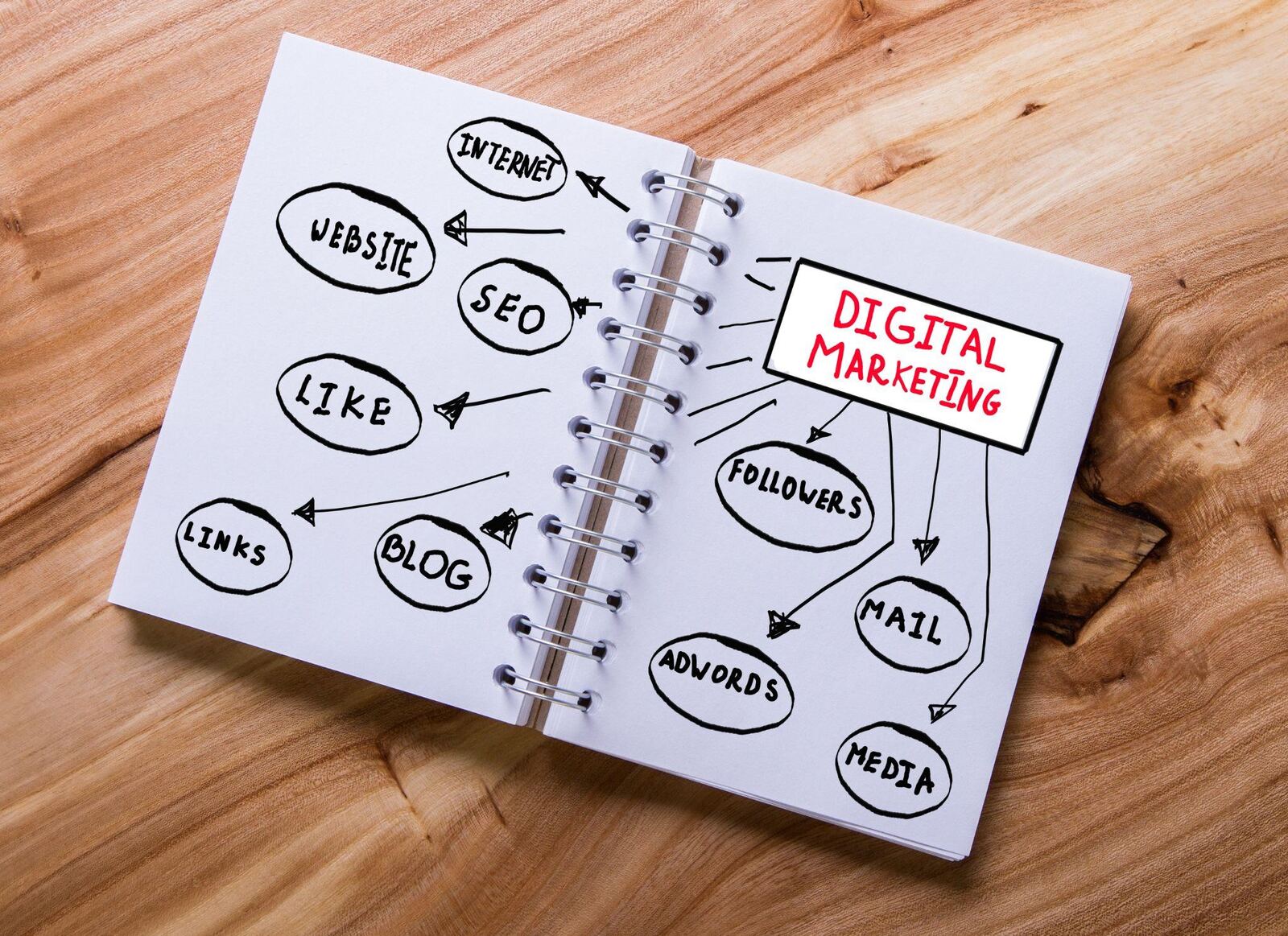
In simplistic terms, digital marketing is the promotion of products or brands via one or more forms of electronic media. While this definition holds true, the practical application and strategic depth of digital marketing far exceed such a basic summary. At its core, digital marketing encompasses all marketing efforts that utilise an electronic device or the internet. Businesses leverage digital channels such as search engines, social media, email, and other websites to connect with current and prospective customers. For a performance marketing agency like Syte, the emphasis is always on measurable outcomes – sales, not just likes.
Digital marketing fundamentally differs from traditional marketing in its inherent measurability and real-time adaptability. Unlike print ads or television commercials, digital campaigns provide granular data on performance. Digital marketers constantly monitor metrics such as what content is being viewed, for how long, conversion rates, click-through rates (CTR), and cost per acquisition (CPA). This data-driven approach allows organisations to analyse marketing campaigns, understand precisely what is working and what isn’t, and optimise strategies in real time for improved return on investment (ROI).
While the internet is arguably the most prominent channel associated with digital marketing, the landscape is much broader. Other channels include wireless text messaging (SMS marketing), mobile instant messaging platforms, mobile applications, podcasts, digital out-of-home advertising (electronic billboards), and digital television and radio channels. The pervasive nature of digital media means consumers have access to information at any time and from any place, transforming how brands must engage with their audience. Gone are the days when a brand solely controlled its narrative; today, consumers are influenced by media, friends, relatives, peers, and online reviews. In this environment, brands must build trust, offer personalised and relevant communications, and tailor offers to individual needs and preferences.
Key Pillars of Digital Marketing
The vast scope of digital marketing can be broken down into several core disciplines, each playing a crucial role in a comprehensive strategy.
- Search Engine Optimisation (SEO): This is the process of optimising your website to 'rank' higher in search engine results pages (SERPs), primarily for organic (unpaid) listings. The goal is to increase the quantity and quality of traffic to your website by improving its visibility for relevant searches. This involves technical SEO, on-page SEO (content optimisation), and off-page SEO (link building). For businesses in South Africa, optimising for local search queries and understanding specific regional search trends can be a significant advantage.
- Content Marketing: This discipline focuses on the creation and distribution of valuable, relevant, and consistent content to attract and retain a clearly defined audience — and, ultimately, to drive profitable customer action. Content assets can include blog posts, articles, videos, infographics, e-books, case studies, and more. The purpose is to generate brand awareness, drive traffic, nurture leads, and support customer acquisition.
- Inbound Marketing: Often described as a 'full-funnel' approach, inbound marketing focuses on attracting, converting, closing, and delighting customers by providing valuable experiences tailored to them. Instead of pushing messages out, inbound strategies pull customers in through content creation, SEO, social media, and email marketing, addressing their needs at each stage of their buyer's journey.
- Social Media Marketing (SMM): This involves the practice of promoting your brand and its content on social media channels to increase brand awareness, drive traffic to your website, and generate leads. Platforms like Facebook, Instagram, LinkedIn, X (formerly Twitter), and TikTok each offer unique opportunities for audience engagement, community building, and direct-response advertising. Effective SMM requires understanding platform algorithms and tailoring content to suit each channel and audience segment.
- Pay-Per-Click (PPC) Advertising: PPC is a method of driving targeted traffic to your website by paying a publisher (like Google or Facebook) every time your ad is clicked. One of the most common types of PPC is Google Ads (formerly Google AdWords), which allows businesses to bid on keywords to display their ads in search results. Other forms include social media advertising, display advertising, and remarketing campaigns. PPC offers immediate visibility and precise targeting, with key metrics including Cost Per Click (CPC), Cost Per Lead (CPL), and Return on Ad Spend (ROAS).
- Email Marketing: Companies use email marketing as a direct and personalised way of communicating with their audiences. It's often employed to promote content, announce discounts and events, nurture leads through sales funnels, and build customer loyalty. Email marketing platforms allow for segmentation, automation, and A/B testing to optimise campaign performance and maximise engagement.
- Marketing Automation: This refers to the software and platforms designed to automate repetitive marketing tasks. Many marketing departments use automation to streamline workflows for email campaigns, social media posting, lead nurturing, and website interactions. This frees up marketers to focus on strategy and analysis, improving efficiency and scalability.
The Importance of Data and Analytics
The true power of digital marketing lies in its ability to generate and leverage data. Every interaction can be tracked, measured, and analysed. This allows for unparalleled insight into consumer behaviour and campaign effectiveness. Key performance indicators (KPIs) such as conversion rate, customer lifetime value (CLTV), customer acquisition cost (CAC), and ROAS provide tangible metrics that directly impact business profitability. In the South African context, where market conditions can be dynamic, the ability to quickly adapt strategies based on real-time data is invaluable for maintaining a competitive edge and ensuring marketing spend is optimised for maximum sales impact.
Why Digital Marketing is Essential in Today's Landscape
Digital media is now so pervasive that consumers have instant access to information, products, and services. The consumer journey is no longer linear; it involves multiple touchpoints across various digital channels. Brands must establish a strong digital presence to remain relevant and accessible. Digital marketing allows businesses to reach a wider audience than traditional methods, often at a lower cost, and with far greater precision.
Moreover, digital platforms foster two-way communication. Consumers are not just passive recipients of marketing messages; they engage, share feedback, and influence brand perception through online reviews and social media interactions. This necessitates a proactive and responsive approach from brands, fostering transparency and building communities around their offerings. For businesses in South Africa, navigating the diverse digital habits across different demographics and regions requires a nuanced understanding and a flexible digital marketing strategy.
The Syte take
At Syte, our philosophy is rooted in performance. We believe that digital marketing isn't just about presence; it's about measurable results. We focus on optimising campaigns to drive tangible outcomes, whether that's increased sales, qualified leads, or an improved return on ad spend (ROAS). Our approach combines strategic insight with data-driven execution, ensuring every Rand spent contributes directly to your business growth. We build strategies that not only attract attention but convert interest into lasting customer relationships.
Understanding "What is Digital Marketing?" extends beyond knowing its components; it means appreciating its potential to transform your business. In an increasingly competitive landscape, a robust, data-backed digital marketing strategy is not an option, but a necessity. Partnering with a performance marketing agency like Syte ensures your digital efforts are always aligned with your commercial objectives, turning clicks into customers and marketing budgets into profit.